ADAS cameras and radars from Dubai: selection and calibration
Читать оригинал на русскомBy Mikhail, Dubai
Automatically translated from the Russian article.
Once the bumper is repaired, the car may produce a radar error, although the sensor itself looks intact. The reason is in the mounting, wiring or geometry of the installation. Therefore, before ordering a spare part, determine what component is needed and what works the installer performs after installation.
Camera, radar and parking sensor. What to change?
The front camera can stand at the windshield, the radar behind the bar or bumper, and the viewing cameras in other parts of the body. For selection, write down the appointment, position and side. The circular view camera in the mirror and the lane retention system camera perform different tasks. If the car is repaired after an accident, ask the workshop to mark the desired module and its bracket in the photo.
To order, you need a VIN, module number, readable label and photo connectors. Add information about the system configuration. If you order a block with a bracket, ask for separate frames of both. The radar checks the shape of the holder and the presence of damage around the mounting sites. For the camera at the glass, the state of the optical zone, the casing and the bracket is specified.
Check which component reports an error and what was checked before the replacement decision. This is useful if the problem occurred immediately after body repair, glass replacement, or bumper installation. An improperly installed bracket may require fixing even when purchasing a suitable sensor.
The camera of a circular view fix the position: front, rear, left or right. In the catalog, the body, bracket and the location of the connector may differ. For the camera in the mirror, remove the label and the landing area itself. If the desired part is sold only together with the mirror body, compare the composition with your request. In frontal radar and side sensors, do not transfer the conclusion about the compatibility of one node to another. Even when two modules look the same, their position and performance are checked separately.
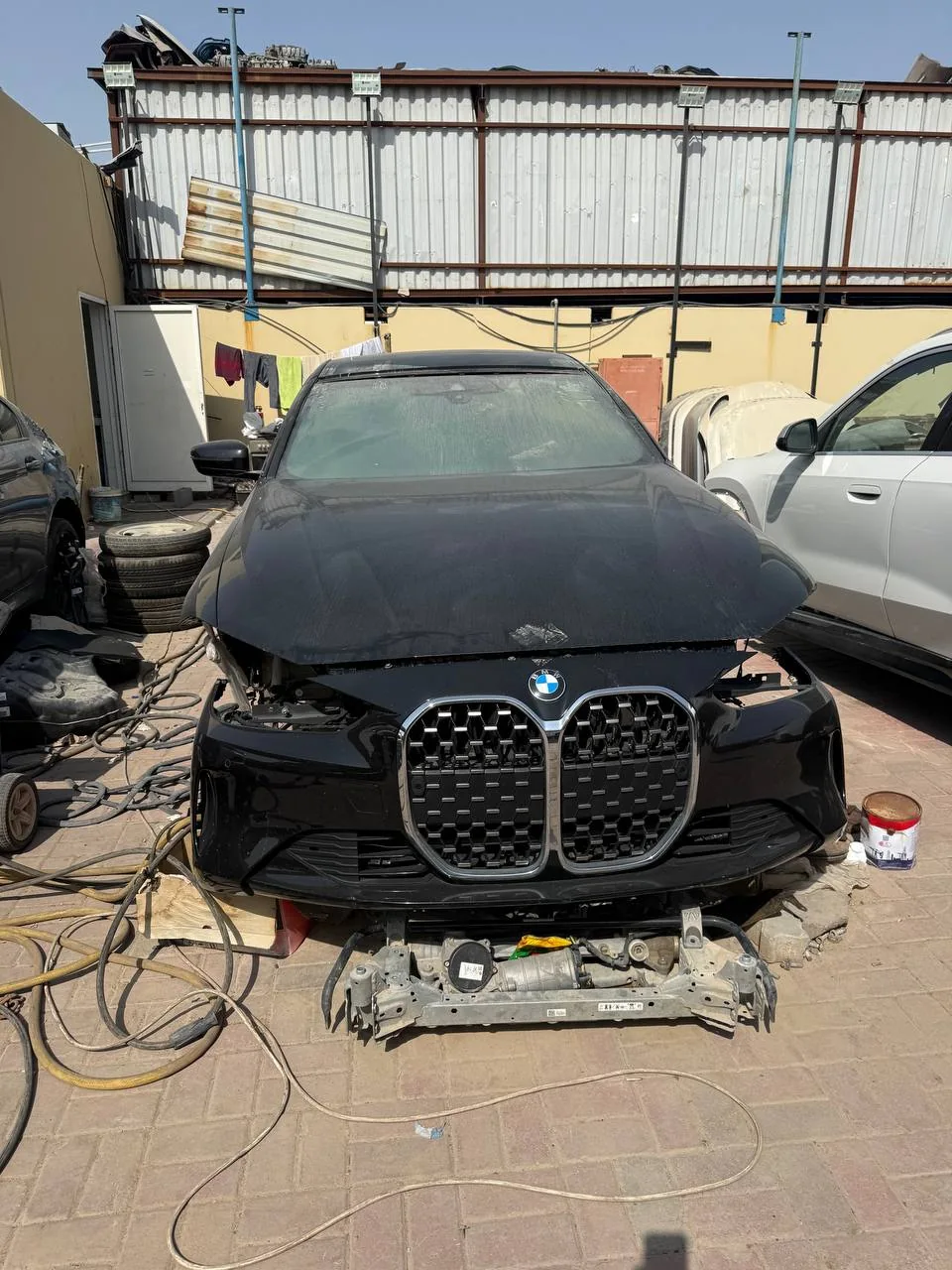
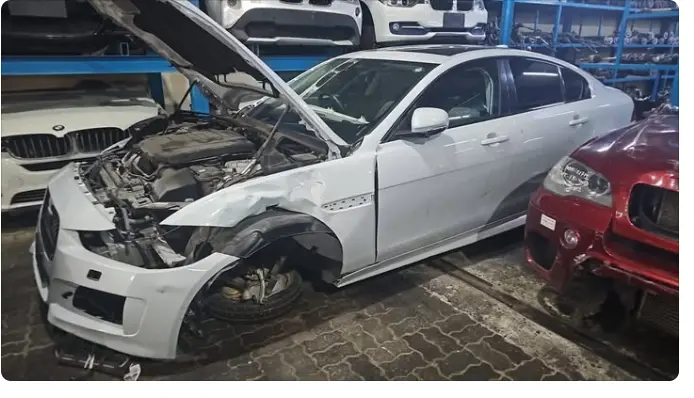
Repairs after impact are conveniently divided into geometry checks, equipment checks and final procedures. For example, a snapshot of the sensor and connector is needed for selection, and a photo of the damaged holder allows you to understand what mechanical parts to add. If the wizard detects deformation of the front panel, agree on the method of recovery before installing new equipment. Do not attempt to compensate for the position of the sensor with arbitrary gaskets or the transfer of holes. The installation points and allowable adjustments shall be determined by the manufacturer.
GCC, Europe and the United States. What changes between versions
Cars in different markets may have different sets of driver assistance systems, block generation, configuration and mountings. For the GCC car, the European and American versions, the specific configuration, number and applicability are checked. The same grille does not guarantee the same shape of the holder, and the same block housing does not confirm the suitability of the software version. For a used sensor, ask for the donor's VIN, if available, and a photo of the sticker in its entirety.
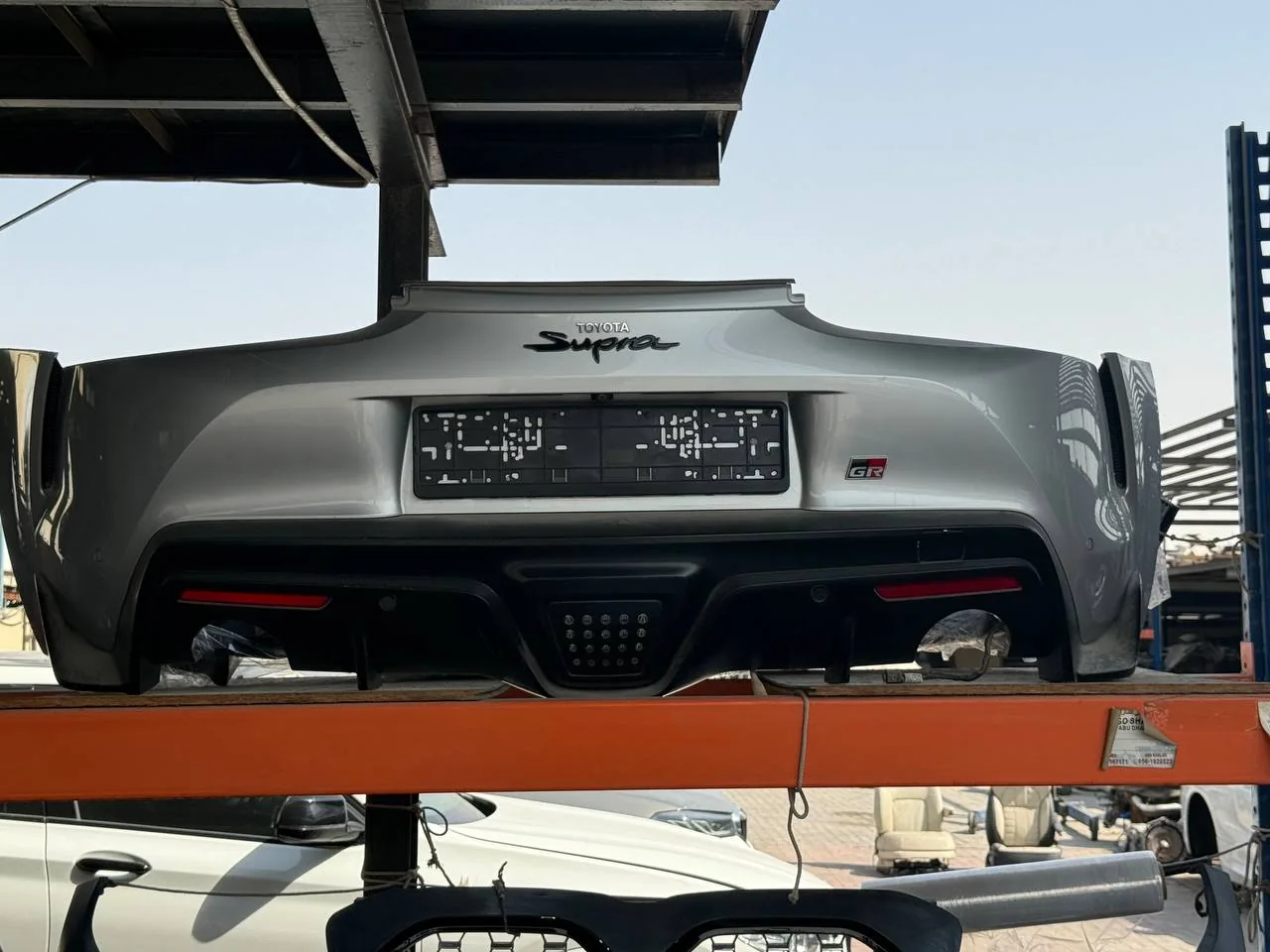
Before ordering external parts, check whether the manufacturer allows them to be installed next to the sensor. For some systems, the position of the radar, the condition of its cover or cladding, and materials in the measurement area are important. If the bumper is repainted, an abnormal element is installed or the mount is damaged, pass this to the workshop. Acceptable conditions are taken from the repair documentation for a particular machine.
What does calibration mean after installation
Calibration helps the system align the sensor data with the position of the car. The manufacturer may provide a static procedure with a target, dynamic in motion, or a combination thereof. The desired option determines the manual for the VIN and the work performed. The installer shall specify the necessary preconditions, e.g. body geometry, tire pressure, suspension condition, sensor position and absence of interference errors.
Removing or installing a bumper, glass, radar or camera may require inspection or calibration according to the manufacturer's procedure. Better find out before the ransom. For the used module, it is separately specified whether the manufacturer allows re-use and whether coding, initialization or other operations are required. If the service offers a check, ask in advance to explain what will be included in the final report.
The absence of a warning on the panel after the connection does not confirm that the whole procedure has been completed. Save the results of diagnosis and calibration and give the master photos of installed parts, if the number is difficult to read after assembly. Checking the system and working with the car are performed according to the requirements of the manufacturer.
Inspection and frequent errors
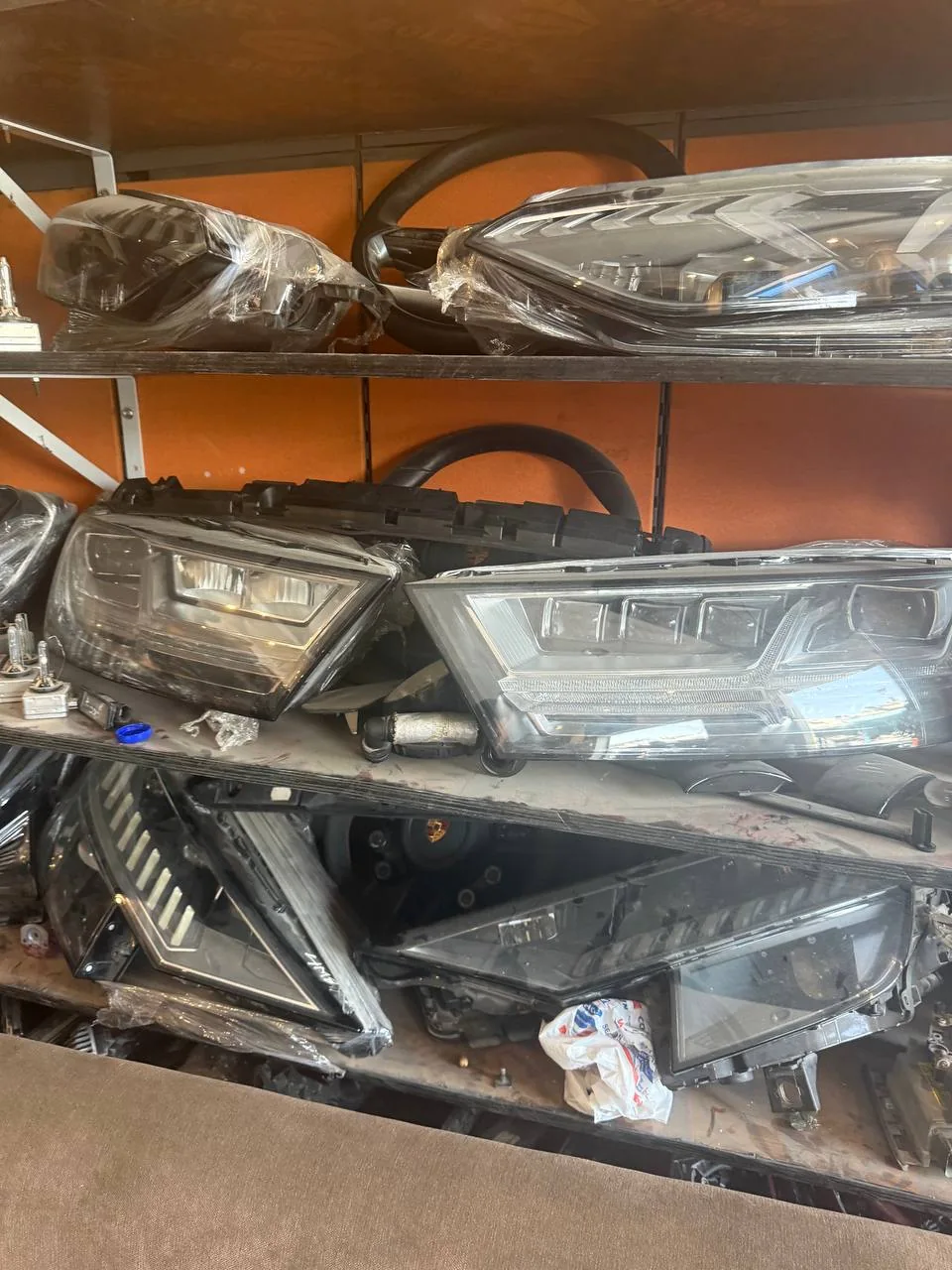
Ask for a photo of the body, connector, markings and mounts. At the camera, check the optical window, traces of moisture and visible damage. At the radar, look for cracks, bracket cracks and the condition of the protective surface. If the part is removed from the car after the impact, specify the place of impact and the available test results. The bench test itself does not show whether the module will pass the standard procedure on your car.
A common mistake is to buy a sensor without a suitable bracket. The other is to consider the external camera suitable for one connector. The third is to finish the body repair, and only then find out that the workshop does not perform the required calibration. Agree on the sequence of work in advance, including the restoration of fasteners, the installation of linings and the planned inspection.
In the calibration request, add a list of work performed, even if the module itself has not been changed. Replacing the glass, changing the geometry and transferring the sensor between the claddings can affect the required procedure. For the workshop, this is an occasion to check the manual, determine the conditions for static or dynamic verification, and assess whether there is suitable equipment. If the machine remains disassembled, agree on what stage the assembly will be completed and when it is possible to perform the provided checks.
When comparing used and new module, ask about the composition of the offer and applicability, and then discuss the cost of installation. Used radar with a bracket is useful only with confirmed geometry of attachment and the admissibility of repeated use. The new module can be delivered without a holder and require configuration. Ask the seller for photos of a particular unit, and the installer for a list of remaining works. If the seller writes that the part is “working”, ask to clarify on which car and in what mode it was checked.
For the sensor, which has already been removed, a photo of its original position on the donor, if it is preserved, is useful. You can see the state of the neighboring elements and understand from which side the blow occurred. This data does not replace the diagnostic results, but helps to decide what checks are needed before selecting an instance.
If you need both a bumper and a module for repair, agree on the order. First, the installer clarifies the variant of the cladding and the place of attachment. Then check the sensor, cover and bracket. Once assembled, the workshop performs the inspections required by the manufacturer. In the estimate, write down these items separately so that completeness can be confirmed before delivery.
If the fixture is available separately, specify it in the request. A lost lock, lid, or guide can change the position of the module, although its housing and connectors look serviceable. Ask the service to confirm which fasteners are provided for your configuration, and check them with photos of a particular offer.
At the side radar, ask for a photo of the installation site before removing the lining, if the car is still assembled. It will help determine the side and position of the holder. When ordering a pair, check both markings, as the labels "left" and "right" in the ad may refer to the donor side or the position in the warehouse. Give the installer both photos so that he compares the scheme.
Packaging and shipment
The module fixes, protects the optical window, connectors and bracket, avoiding pressure on the sensitive areas. The fastener is packed separately inside the cargo space. Heavy body parts are separated from electronics. Electronics, airbags and fragile parts are checked separately and sent only after approval.
The reference point for air delivery to Russia and Belarus is 5-10 days and $12-20 per kg. The container to Moscow is about a month and $1.8-3.5 per kg. The exact time and price are confirmed separately. There is no minimum order value. Fee 10% only on the price of parts. Packaging, transportation and customs separately.
Checklist
- VIN, market, configuration and purpose of the sensor.
- OEM number, marking, connector, side and position of installation.
- Completeness, including bracket, cover or tourniquet, if needed.
- The status of the particular instance and the available verification results.
- Ability to reuse, encode and calibrate from the installer.
- Packaging and total estimates.
Frequently asked questions
Will the GCC radar be suitable for the U.S. version?
Check the specific number, configuration and attachment. The possibility of installation and calibration is specified by repair documentation.
Do I need calibration after changing the glass?
It depends on the car and the work done. The installer checks the manufacturer’s requirements prior to replacement.
Is it possible to order a module together with a bracket?
Specify the holder in a separate line. The composition is confirmed by the photo and price of a specific offer.
When is the payment made?
After requesting, obtaining a photo and price of a specific detail and agreeing on the estimate.
Official sources
REAL EXAMPLES