New original, used and analog parts: how to compare offers
Читать оригинал на русскомAutomatically translated from the Russian article.
The lowest price in an ad does not always mean the most profitable repair. You need to compare the origin of the part, confirmed condition, completeness and all costs before installation.
Why Market Names Can Be Confusing
The words “original”, “OEM”, “OES”, “contract” and “aftermarket” are used in different ways. Therefore, ask a specific question: who made the part, in what package it is sold and what number is indicated on the product itself? In applications, the OEM number is often referred to as the catalog number of the original part. The OEM label in the ad is not a stand-alone proof that the merchandise comes in the car manufacturer's packaging. Ask for photos of the product and packaging, manufacturer data and documents that are available from the supplier. If the seller says only “quality as original”, it is a description of the offer, not a confirmation of its origin.
New original detail
The original new part is selected according to the catalog of the automaker for a particular car. This is an understandable option when factory variant and lack of operation are important. But even a new part may not be suitable if the wrong number, market or equipment is selected. Before payment, agree on the full number, package condition and delivery composition: additional blocks, seals or fasteners can be sold separately. Find out the supplier’s terms of return and verification. It cannot be assumed that any part purchased abroad automatically receives the same warranty conditions as a purchase from a local dealer.
B/U original and the word "contract"
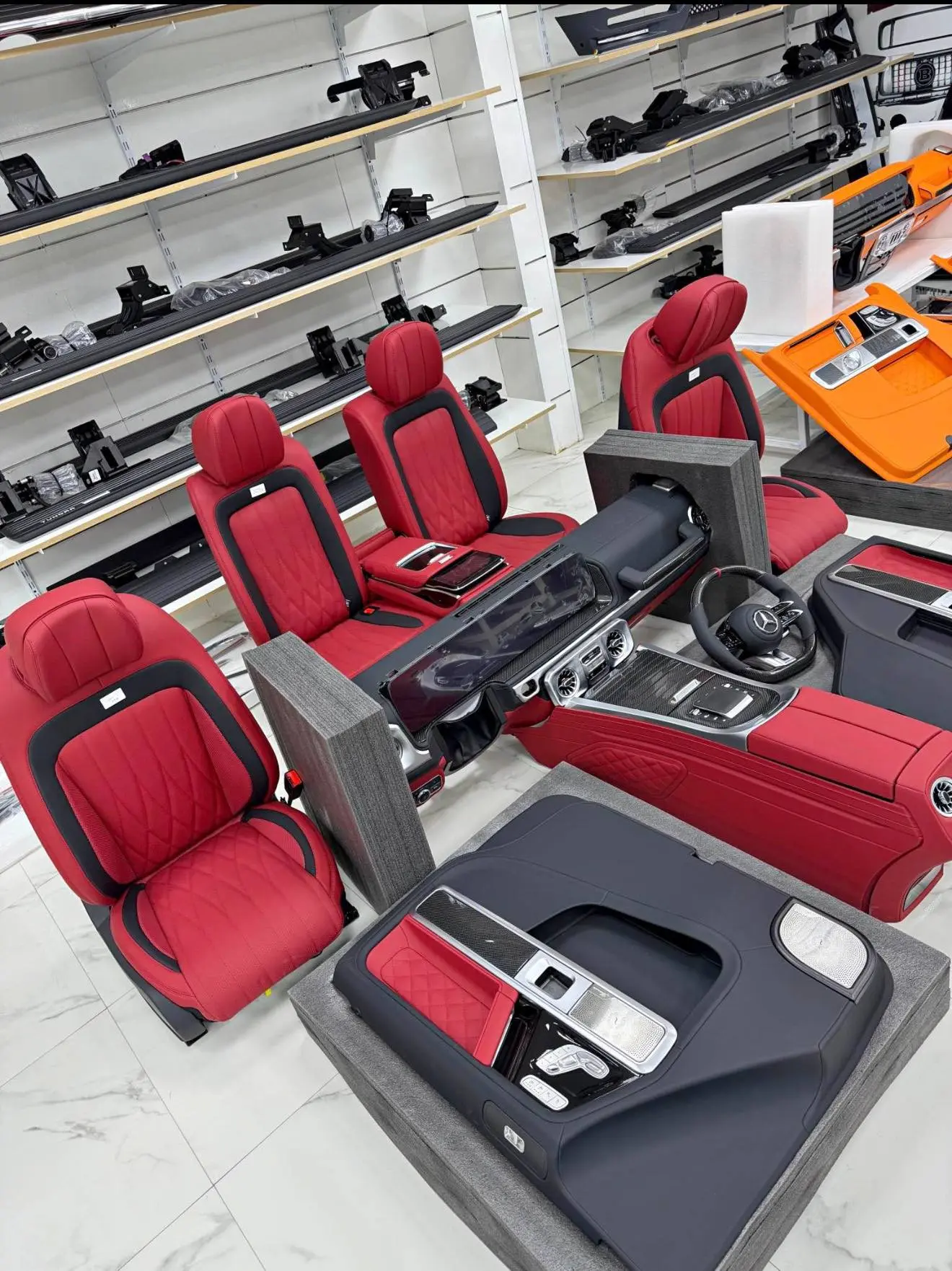
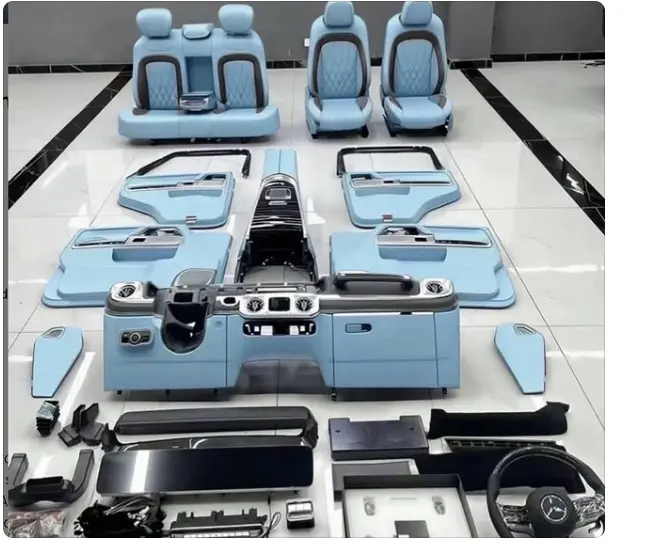
A used original part can be a reasonable option for expensive optics, bodywork or interior, if the condition is confirmed and fits the task of repair. The word “contract” in itself does not indicate either mileage, origin, or the result of the check. Ask for up-to-date photos of markings, fasteners and defects. Find out whether the part was repaired, whether and what the seller can confirm. The unit separately fixes the code and composition of attachments. If a small mileage is claimed, ask what documents it is based on. The lack of confirmation should be considered when choosing, and not replaced by a confident phrase in the description.
What's aftermarket?
Aftermarket is a broad category of parts from independent manufacturers. It is not a designation of one country or level of quality. Among the proposals are products of well-known manufacturers and products with poorly understood origin. Compare a specific brand, article, applicability, materials, and terms of delivery. For a complex node, the opinion of the service that will install it is important. If you only need the original, write it directly in the application form: "New or used original; I do not consider analogues." At B&G PARTS, the main search is focused on original parts, so an example of comparison with an analog does not mean that any analogue is available to order through us.
Comparison on the example of a car headlight
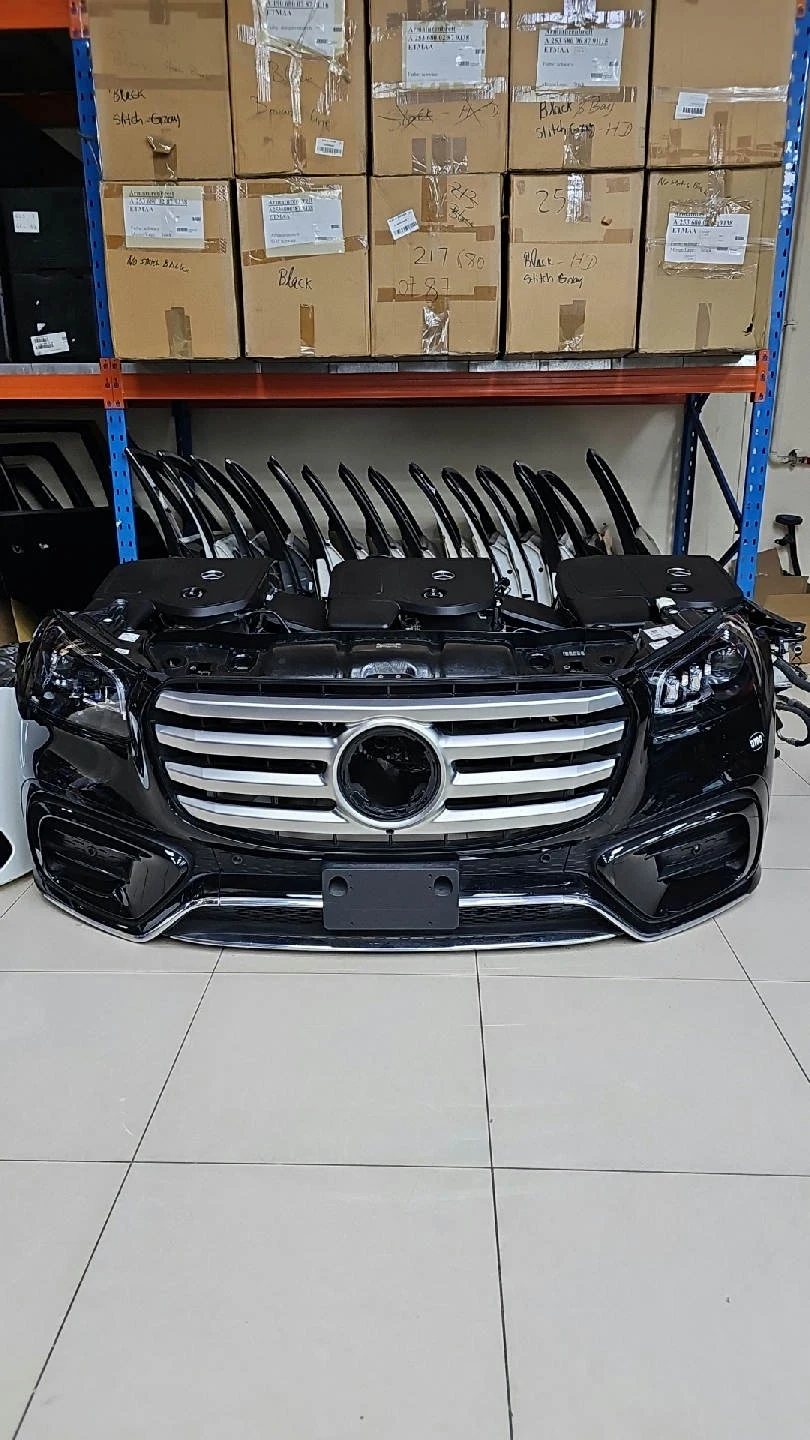
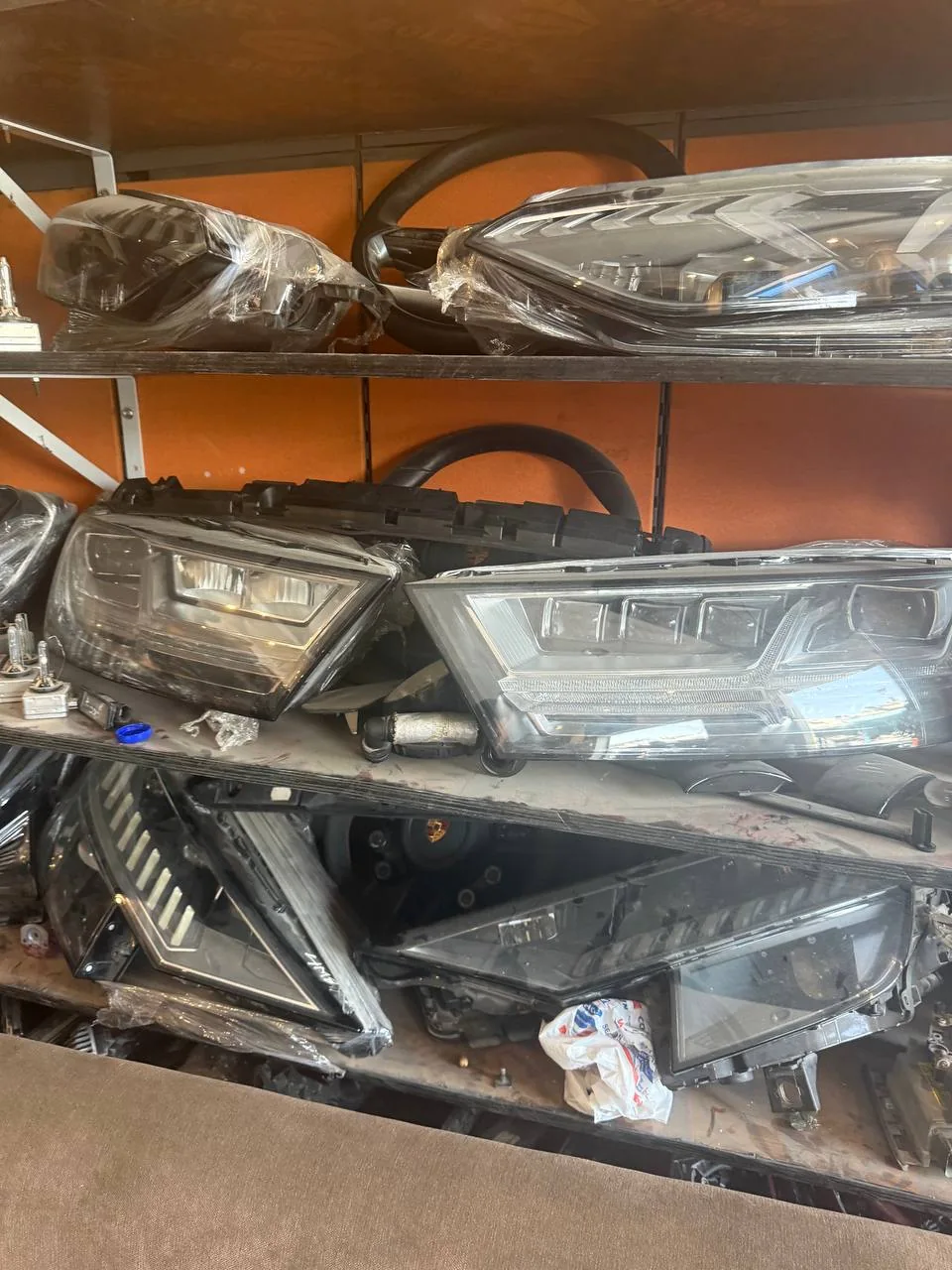
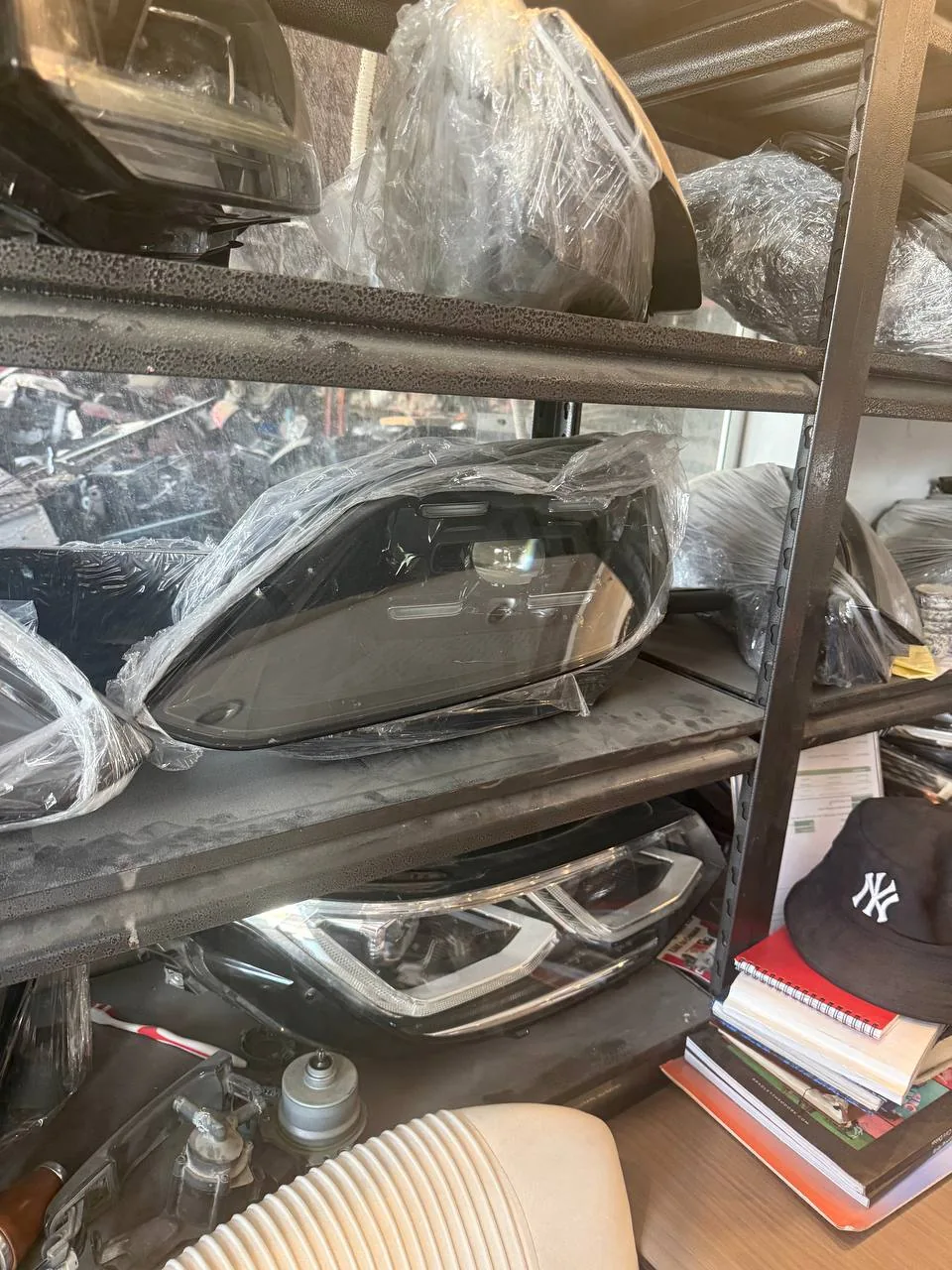
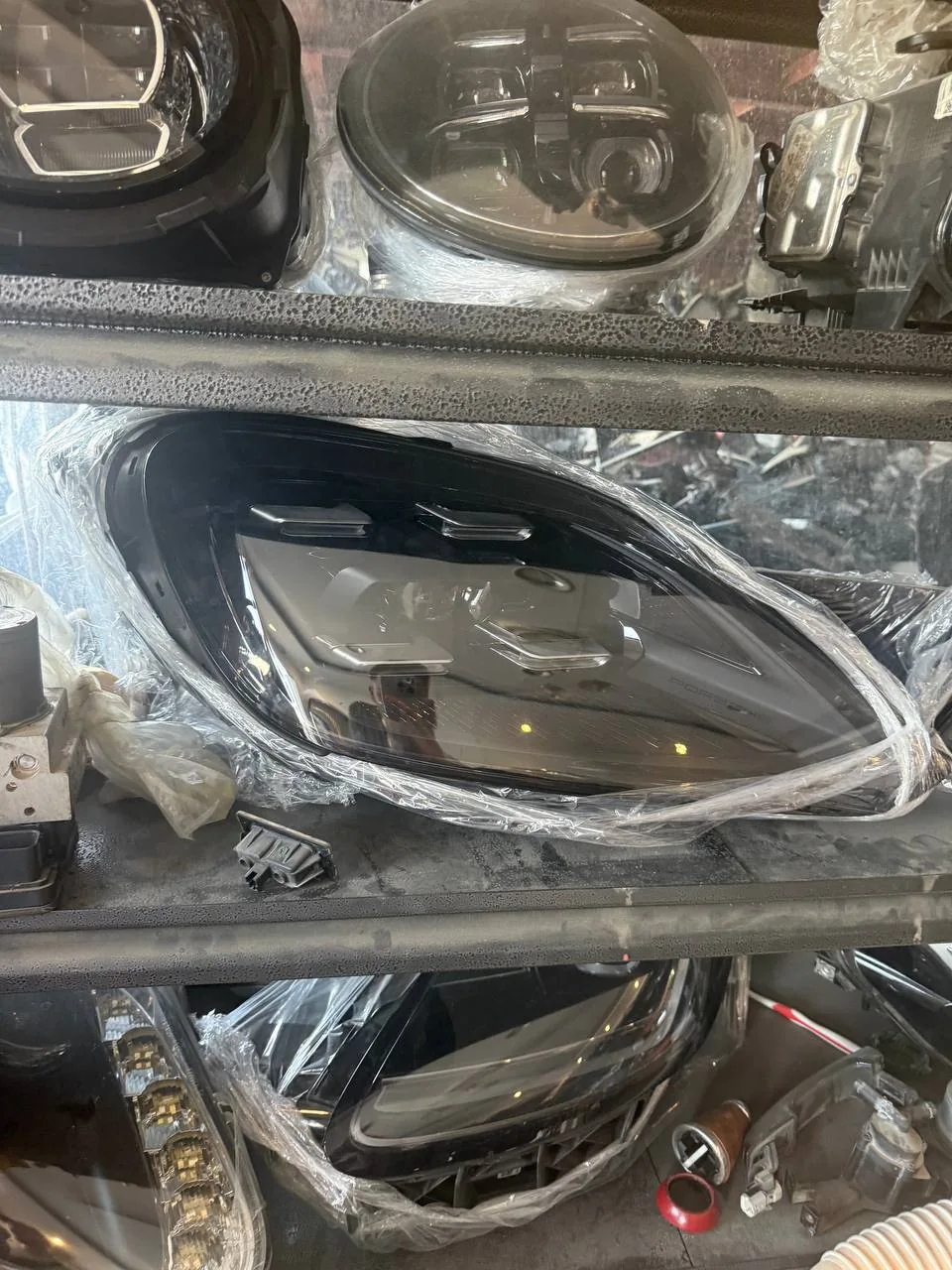
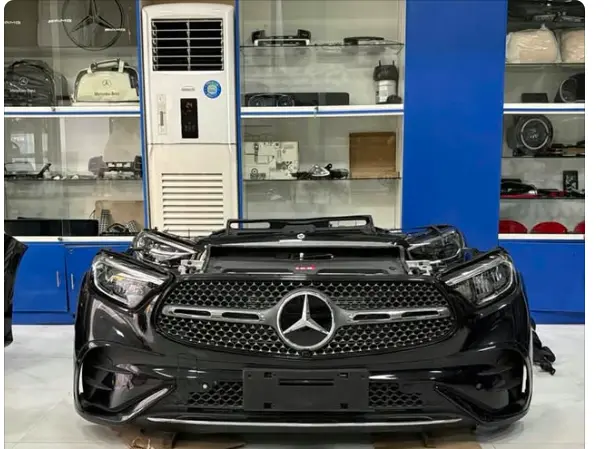
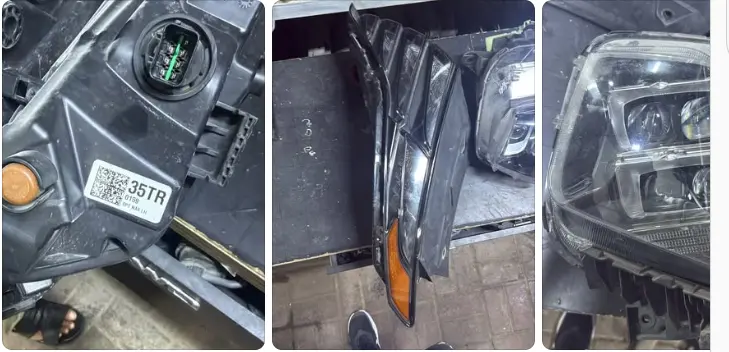
Two "lamp per model" sentences may include different articles. One headlight is sold with blocks, the other without them; one corresponds to the desired regional version, the other looks similar, but requires a different applicability check. In used headlights additionally assess the mountings, body, glass and signs of repair. Before comparing prices, make the same list of requirements. Then find out from the service what can be transferred from the old headlight and what settings will be required. Add in the missing blocks, work and logistics. Only after that it becomes clear which offer saves money with the same result of the repair.
Comparison on the example of a door or bumper
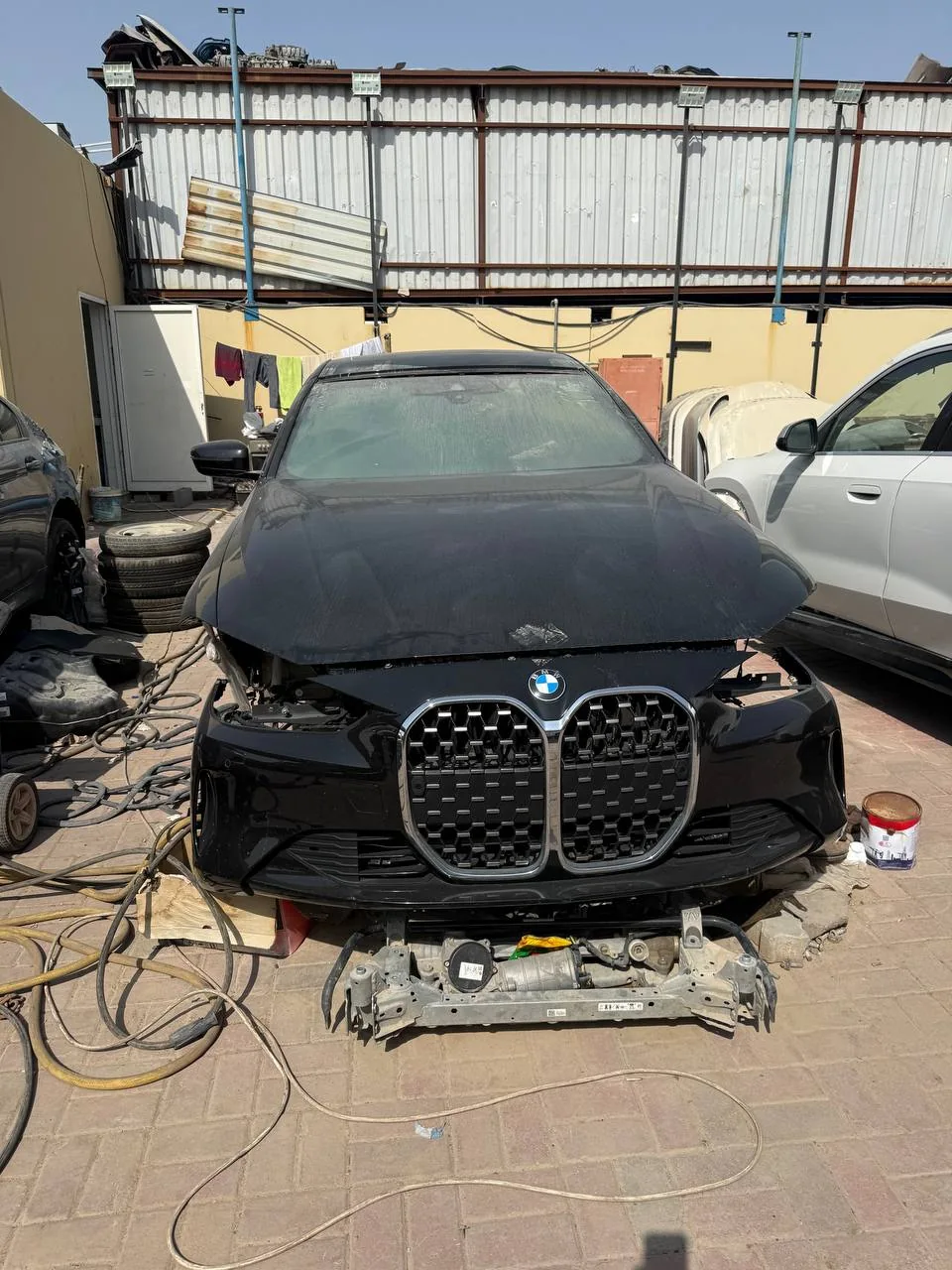
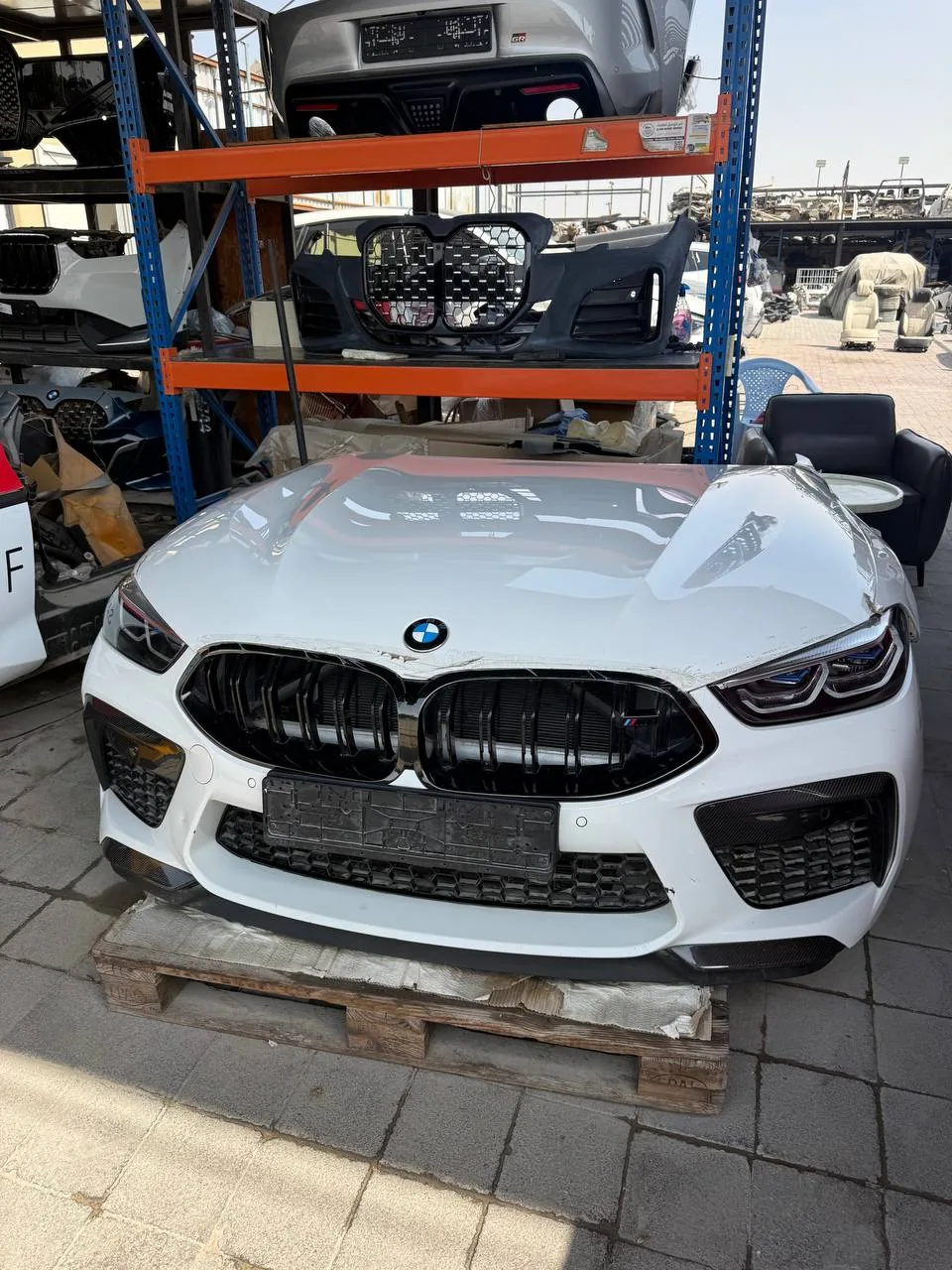
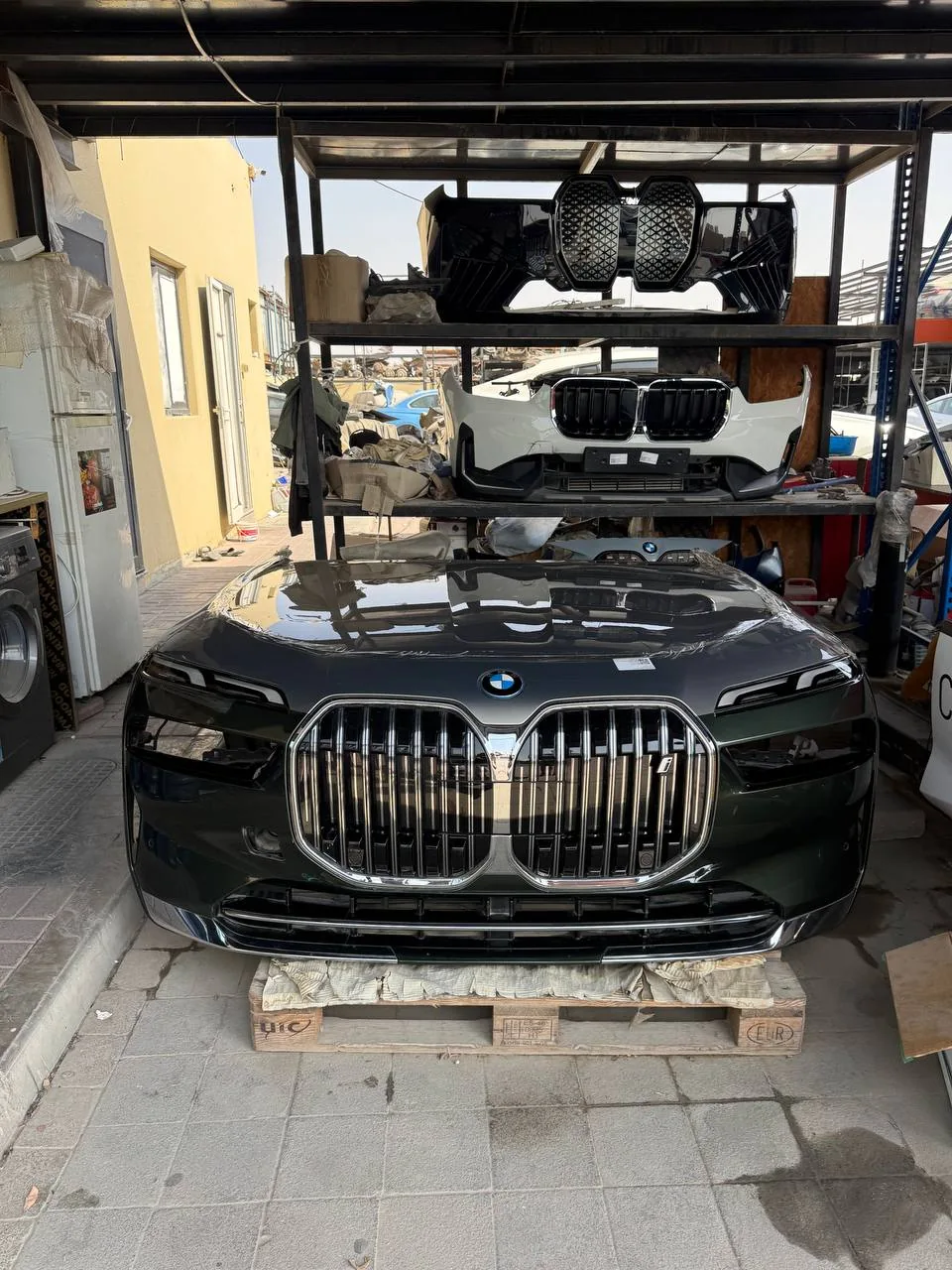
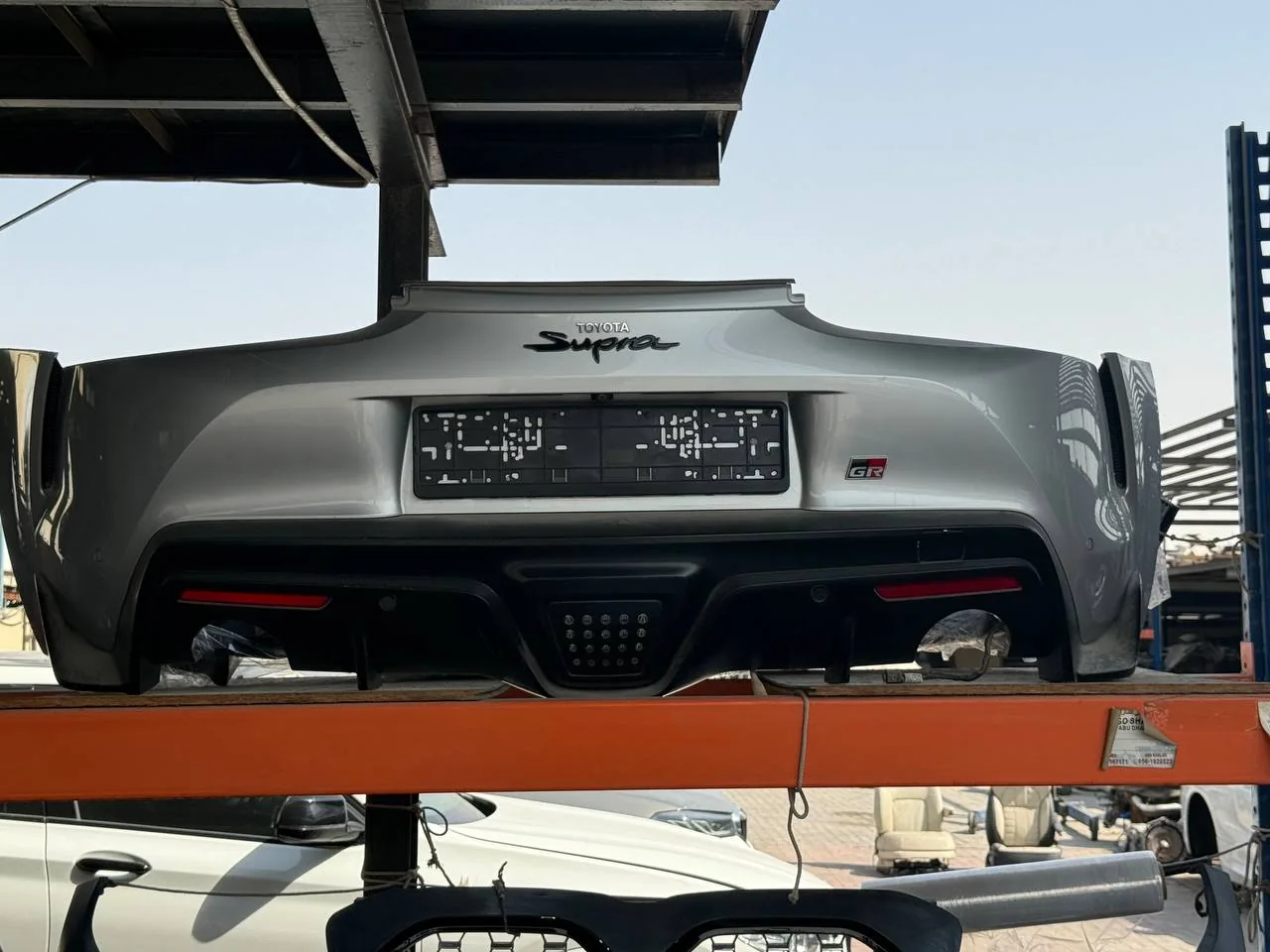
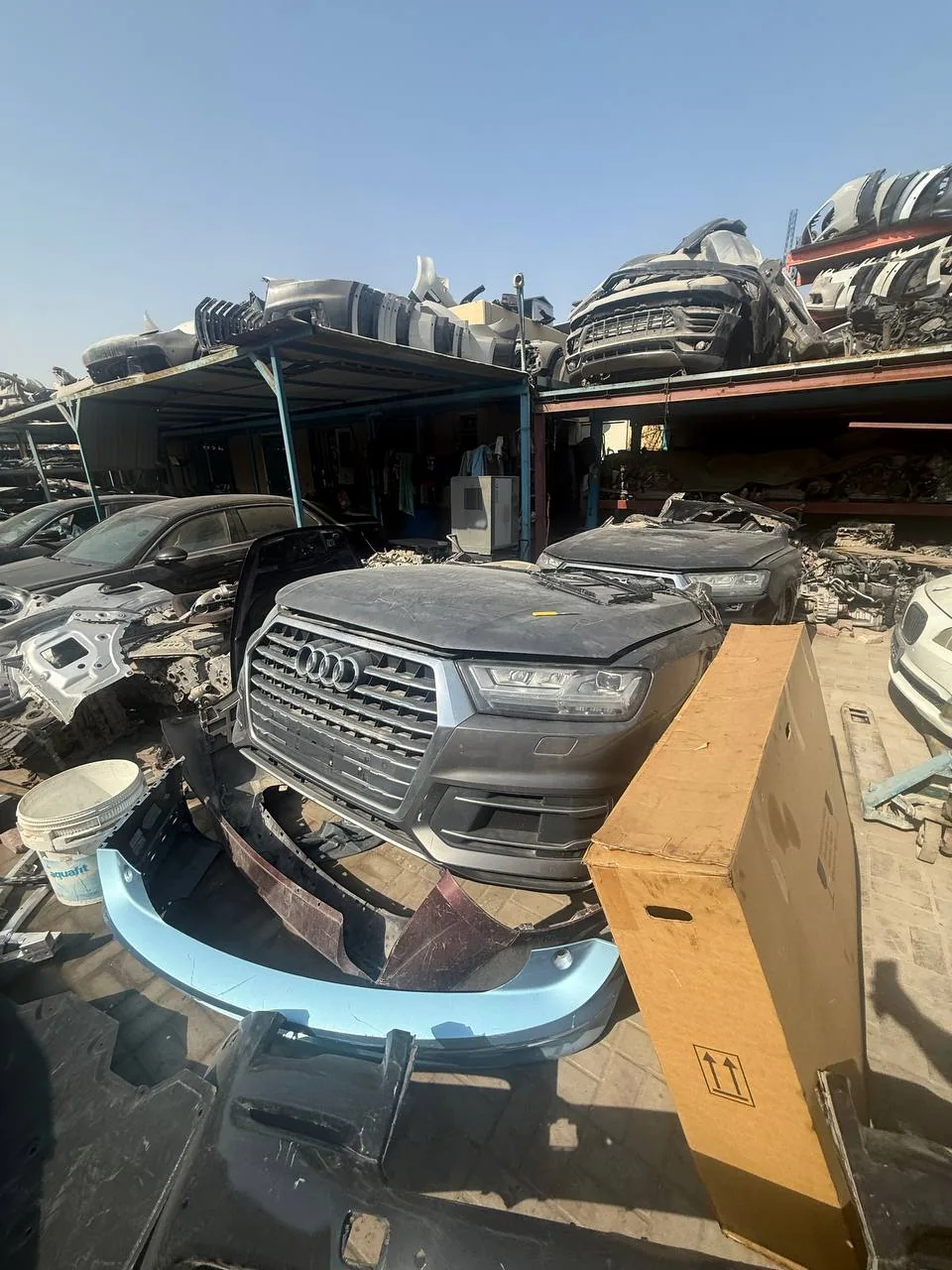
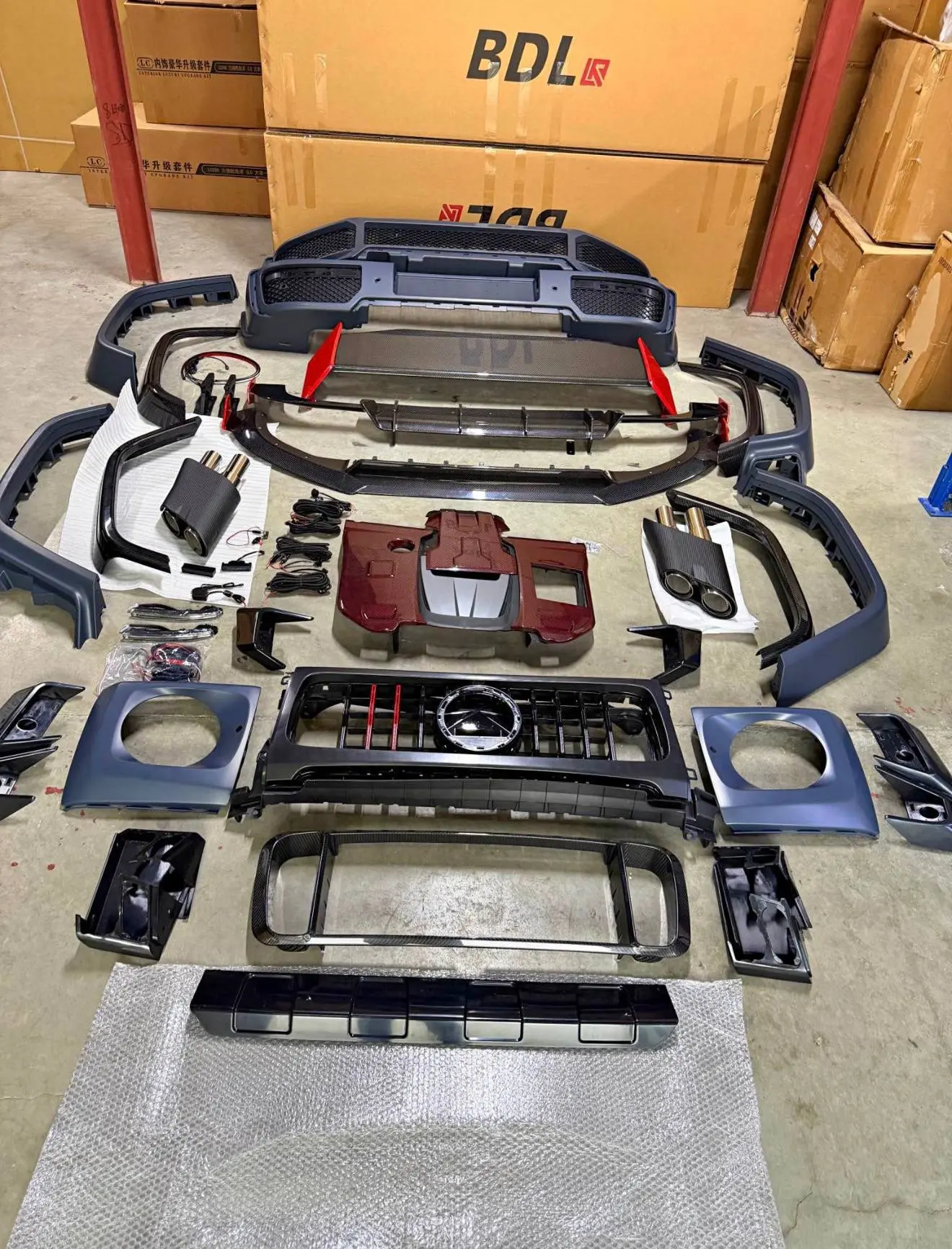
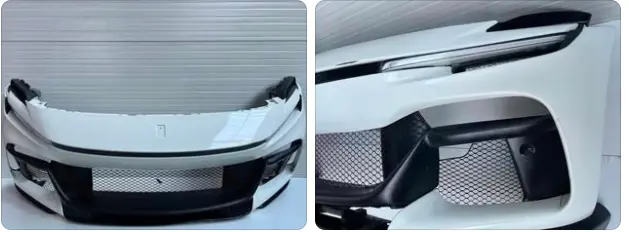
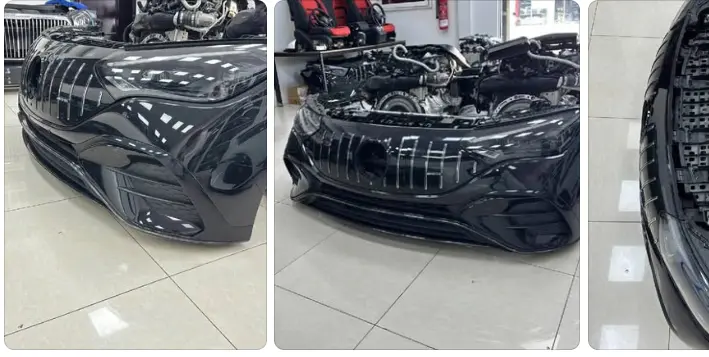
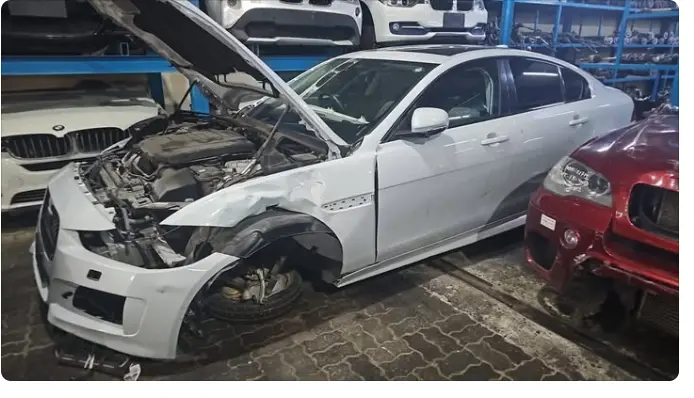
For body parts, the cheap price can only refer to the shell. At the door, separately coordinate the glass, mechanisms, lock, wiring and sheathing. The bumper has grilles, sensors, wiring and brackets. Clarify the state of geometry, traces of repair and damage to the fasteners. The coincidence of the declared color does not guarantee that the part will be installed without painting: the shade and condition of the coating is assessed by the painter. Don’t promise the customer an exact match in the photo. If a new housing is considered, calculate the transfer of equipment and preparation for painting; if the used assembly is the cost of restoration and missing elements.
What are the limitations of verification to consider
Photos show the appearance, but do not prove the serviceability of the engine, electronic unit or mechanism. For each position, find out whether launch, bench testing, or diagnostics are available and what is included in the report. The verified node may also have limitations that are important to write down. If it is not possible to establish operability before the purchase, the decision must be made with an understanding of this condition and the rules of the supplier. Do not transfer the successful verification of one node to all the details of the seller. For safety-related components, agree on the selection and inspection procedure with a qualified service that is responsible for repairing the vehicle.
How to Compare the Total Cost of an Order
First, bring the sentences to the same completeness. Then add the selection service, packaging, international shipping and possible costs upon receipt. Commission B&G PARTS – 25% of the cost of spare parts from the supplier. For example, $2,000 parts mean a $500 commission and $2,500 before shipping and other costs are added. This is an example of calculating commissions, not the market price of specific details. For large items, ask for dimensions after packaging: the low price of the goods does not compensate for unexpectedly expensive transportation. The minimum cost of spare parts in the order is $ 1,000; the terms of the batch and the composition of the work are agreed before the purchase.
What conditions to write before payment
Record the number, condition, completeness, identified defects and confirmed inspections. Specify the recipient of the payment and the point of termination of delivery. Separately specify what will happen in case of selection error, hidden defect, damage during transportation and refusal of the order. These situations have different causes and should not be combined with the phrase “there is a guarantee”. For used parts, it is especially important to understand the installation and diagnostic requirements. Save the agreed offer and photos. If the terms are unclear, ask for a written explanation first and then decide if you are satisfied with the particular option.
Checklist
- Manufacturer and origin are clear
- The number is applicable to your car.
- Condition and defects recorded
- The completeness is the same in the compared options
- Limits of verification known
- The full estimate includes a 25% commission
- Conditions of return and treatment are clarified
Frequently asked questions
Aftermarket means Chinese part?
Nope. It is a category of independent producers, not a country of origin. It is necessary to specify a specific brand and product.
Is the original always better than the new?
Nope. Consider the condition, completeness, repair, installation and transportation. Compare the total cost of the same result.
Does the word OEM guarantee authenticity?
Nope. Seller designations require verification by product, marking, origin and available documents.
REAL EXAMPLES